


There’s a question with the power to change everything — especially in midlife and beyond: what lights you up?
Not what pays the bills or impresses others, but what genuinely sparks joy, curiosity, and that quiet inner yes. For many in their 50s, 60s and beyond, passions can be buried under careers, caregiving, and responsibilities. Rediscovering what excites you later in life isn’t self-indulgent — it can lead to greater wellbeing and a more aligned life.
The Forgotten Passions
Think back. Before life got noisy, what did you love doing? Writing stories? Singing? Making things with your hands? Exploring new places?
Those interests don’t disappear — they hibernate. Research into adult development shows that creativity, curiosity, and meaningful engagement remain vital throughout life, contributing to happiness and resilience well into older age. The long-running Harvard Study of Adult Development highlights that purpose and connection — not status or achievement — are key predictors of later-life wellbeing.
Later life offers a unique opportunity for rediscovery, growth, and renewed purpose. It’s a season where passion and meaning can thrive, not diminish.
Passion vs Purpose
Passion is deeply personal — it’s the activity or interest that energises you and brings you joy for its own sake.
Purpose is how your passion contributes or connects to something greater than yourself — it’s the positive impact your energy creates for others.
For example:
- If your passion is baking, you could share skills locally or teach others to bake.
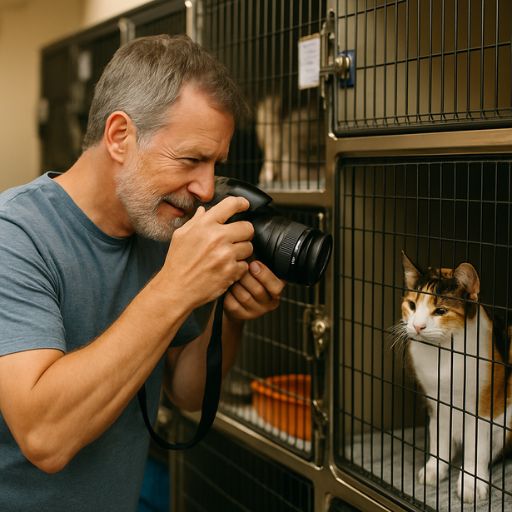
- You love photography and animals; you could combine those passions in a volunteer role. Animal welfare organisations consistently report that high-quality, emotionally engaging photography significantly increases engagement and adoption rates, because people connect more easily with what they can see and feel.
- If you have a passion for storytelling, you could write for a local newsletter to raise awareness about issues that are important to the community.
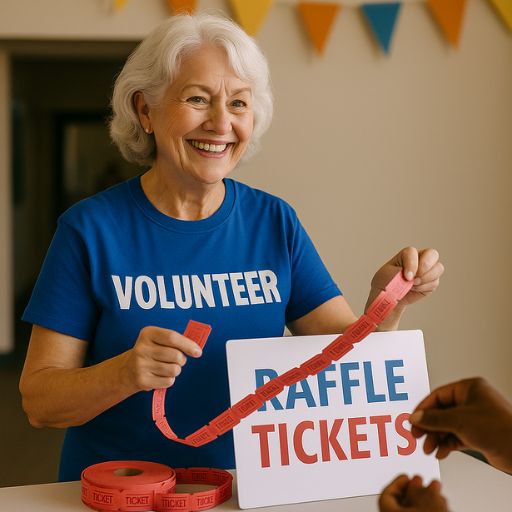
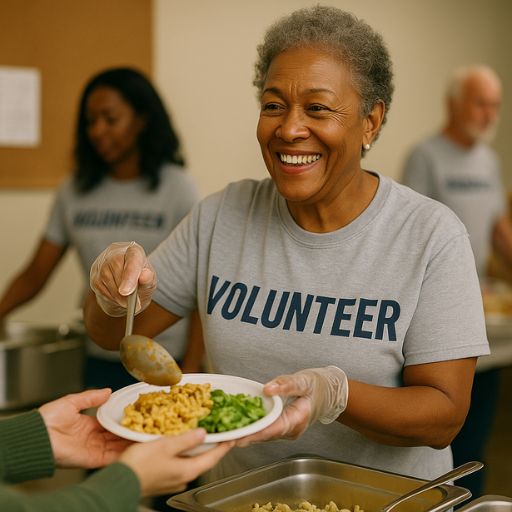
Purpose does not have to be grand; it is simply the act of linking what energizes you to a benefit for someone else. This connection is at the heart of a fulfilling life at any age.
The Fear Factor
As soon as we consider following passions, the inner critic often appears:
- I’m too old.
- I’ve missed my chance.
- Who would care?
Engagement matters more than age or expertise, according to research on lifelong learning and ageing. No one expects world-class achievements. This is about reconnection, not reinvention, and joy often spreads to others when you light up.
Real-Life Examples of Passion Becoming Purpose
Grandma Moses
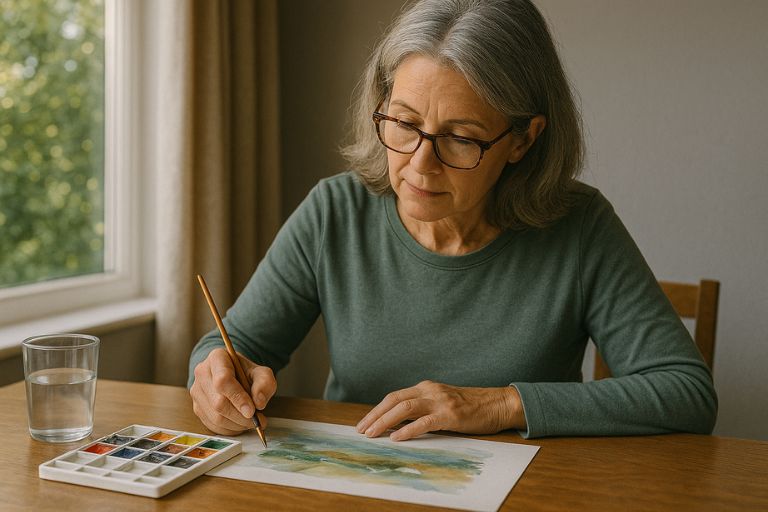
Anna Mary Robertson Moses, known as Grandma Moses, didn’t begin painting seriously until her late 70s, after arthritis made embroidery difficult. What began as a way to stay creatively engaged became an internationally celebrated artistic legacy — a powerful reminder that passion can flourish at any age.
Diana Nyad
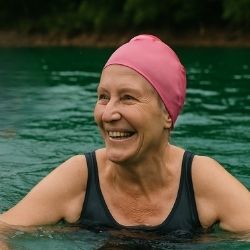
Diana Nyad completed her historic 110-mile swim from Cuba to Florida at the age of 64. While swimming had always been her passion, later in life it became a platform for purpose — inspiring conversations about resilience, courage, and what’s possible beyond midlife.
Men’s Sheds
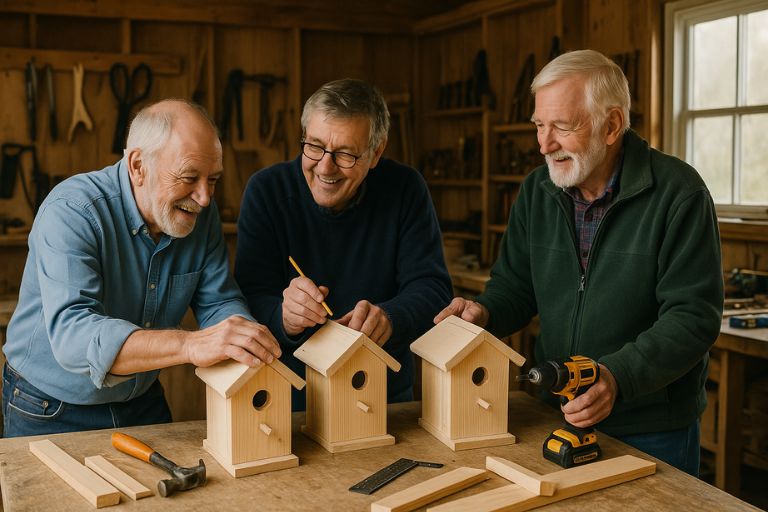
This one is very close to my heart, as my Dad spent a lot of time at our local Men’s Shed in the later years of his life. The Men’s Sheds movement began with older men rediscovering practical skills like woodworking and repair. What started as shared hobbies evolved into a global movement supporting mental health, connection, and community — particularly for men in later life, and for my own, wonderful Dad…
Curiosity as a Compass
If you’re not sure what lights you up, follow curiosity instead. Notice:
- What draws your attention?
- What makes time disappear?
- What conversations energise you?
Curiosity is often the breadcrumb trail back to passion — and neuroscience shows it boosts motivation, learning, and emotional well-being.
A Touch of Humour
Let’s be honest — nobody’s true passion is endless doom-scrolling (unless your life’s calling is competitive meme appreciation). Passions tend to feel playful, energising, and slightly unnecessary — which is exactly why they matter. Purpose comes later. Joy comes first.
A Practical Rediscovery Exercise
Try this:
1. List three things you loved doing as a child or teenager.
2. List three things you currently lose track of time doing.
3. Circle one and explore it this week — even for 30 minutes.
Small steps matter. Revisiting what sparks your passion is how purpose grows. The core message: start small to build meaning.
The Bottom Line
Passion is your inner voice saying, This is me.
Purpose happens when you use that excitement or skill to contribute, serve, or enhance the lives of others.
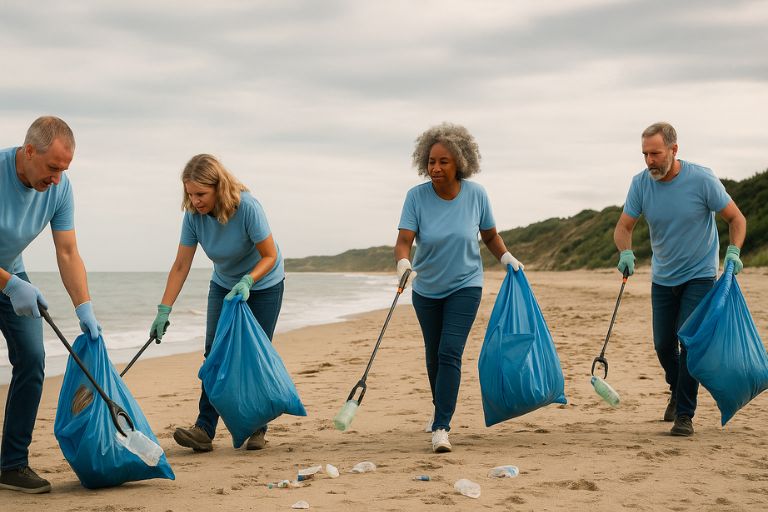
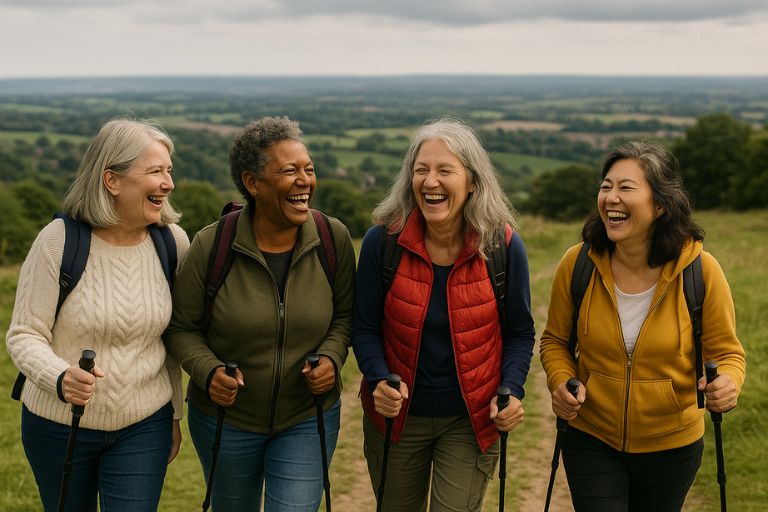
Bringing passion and purpose together is the way to build a meaningful life — at any age. This is the heart of the message: don’t wait to combine what lights you up with what you share.
So ask yourself: what lights you up? And then, gently, follow the glow…
Later & Greater: A Gentle Invitation
Rediscovering passion is rarely about making a dramatic leap. More often, it’s about listening differently — to yourself, your values, and what quietly wants attention.
Later & Greater is my values-based coaching programme for people in their 50s, 60s and beyond who are asking “what now?” and want space to explore that question thoughtfully. Together, we look at values, identity, and purpose — and gently uncover what lights you up next.
There’s no pressure to change everything. Just permission to begin.
References & Further Reading
- Harvard Study of Adult Development — wellbeing across the lifespan
https://adltdevelopmentstudy.org
- ASPCA — How photography helps pets find homes
https://www.aspcapro.org/resource/how-get-great-photos-your-available-animals
- Smithsonian American Art Museum — Grandma Moses
https://americanart.si.edu/artist/grandma-moses-5826
- Encyclopaedia Britannica — Diana Nyad
https://www.britannica.com/biography/Diana-Nyad
- Men’s Sheds UK — research and impact
https://menssheds.org.uk


